Motion Operating System
Turning ambiguity into clarity,
then clarity into reusable creative systems.
-
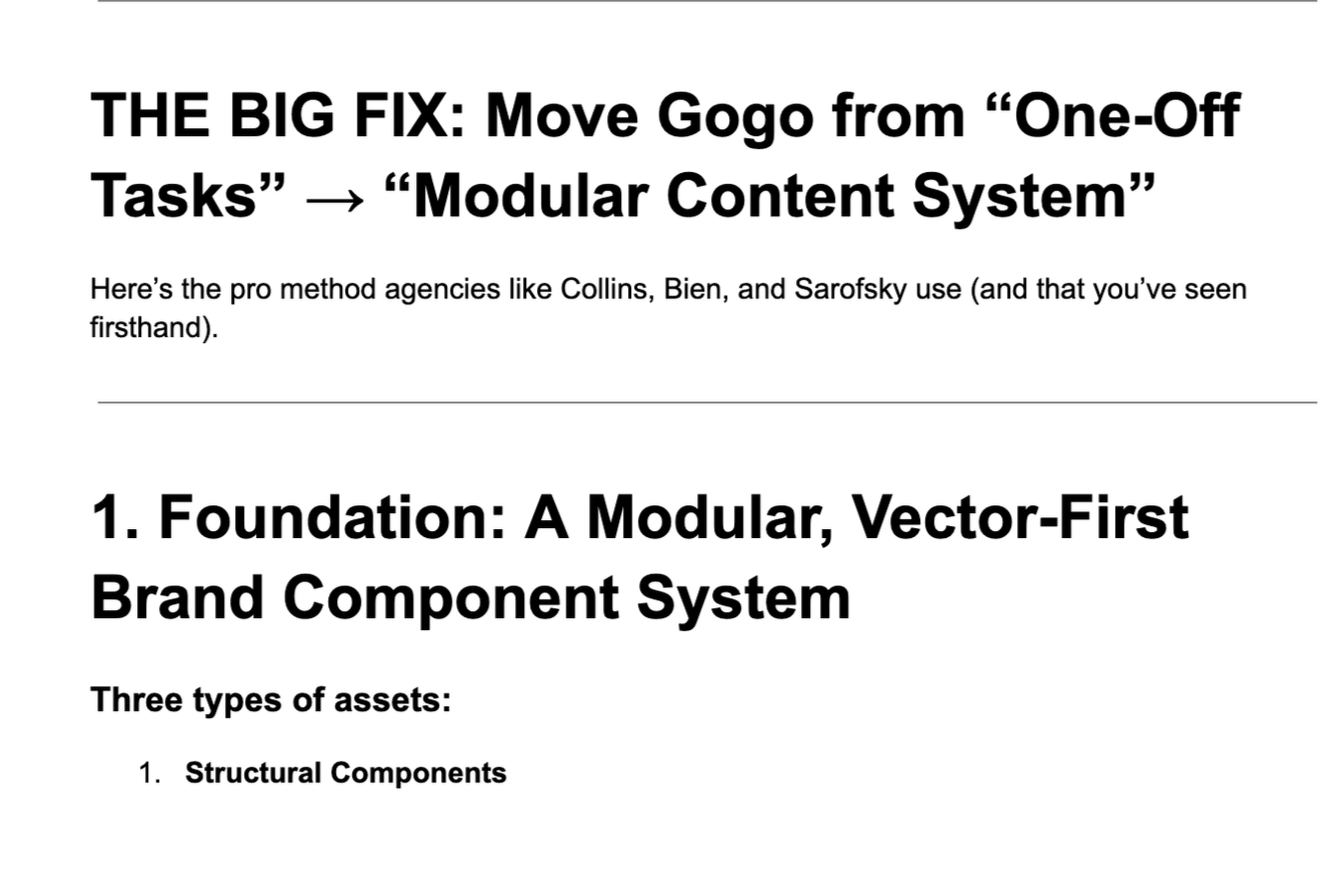
At Gogo, creative requests were often treated as one-off deliverables, but the business needed content that could scale across aviation, telecom, product, sales, events, customer support, and social channels.
The work was not just about making more assets. It was about creating clarity across scattered inputs, compressed timelines, evolving product stories, and a rapidly changing competitive landscape.
-
The first outcome of the system was clarity.
Before motion, campaign assets, or production, the work had to identify the signal: what the business needed to say, who it needed to reach, and how that message could travel across formats without losing coherence.
-
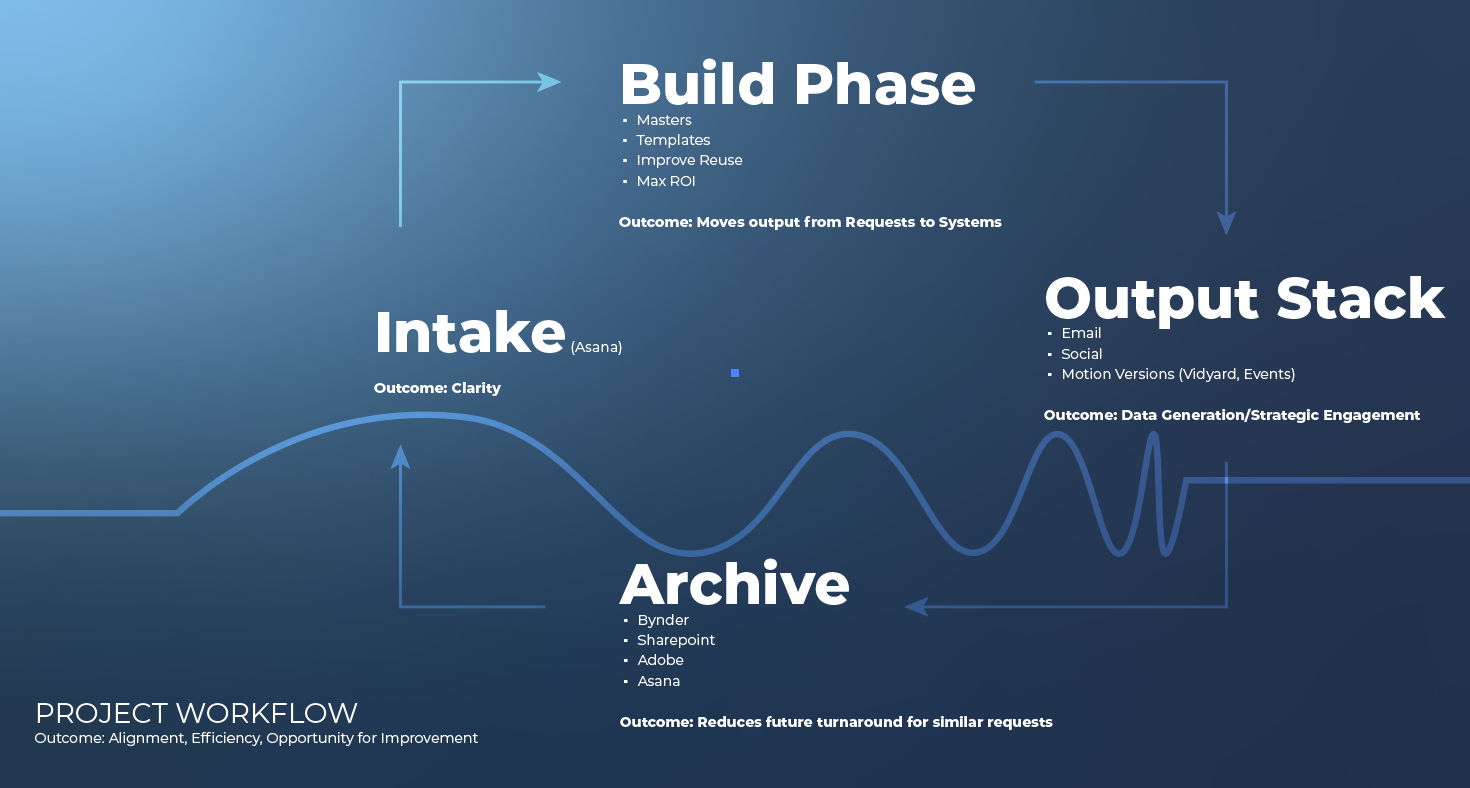
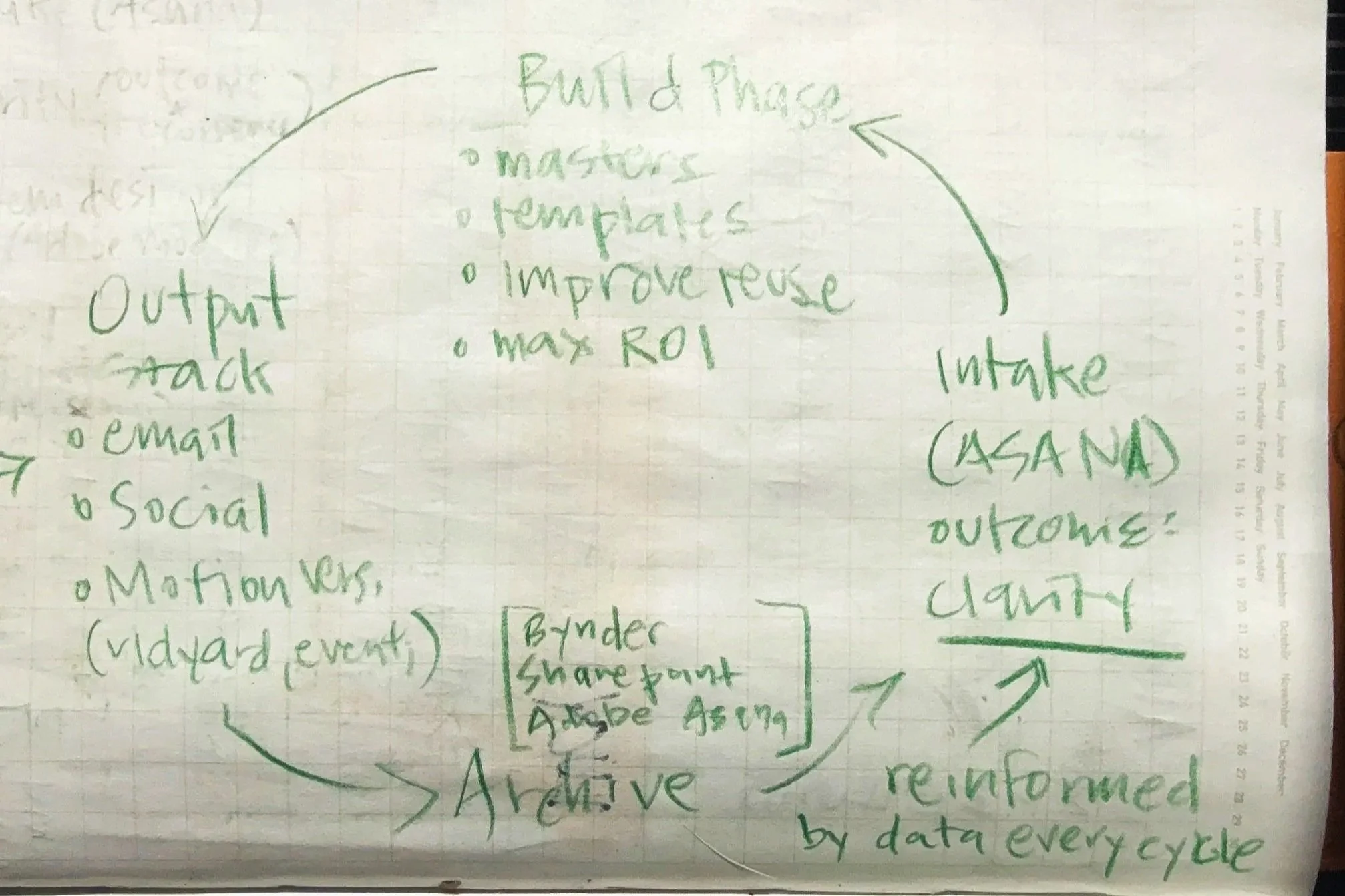
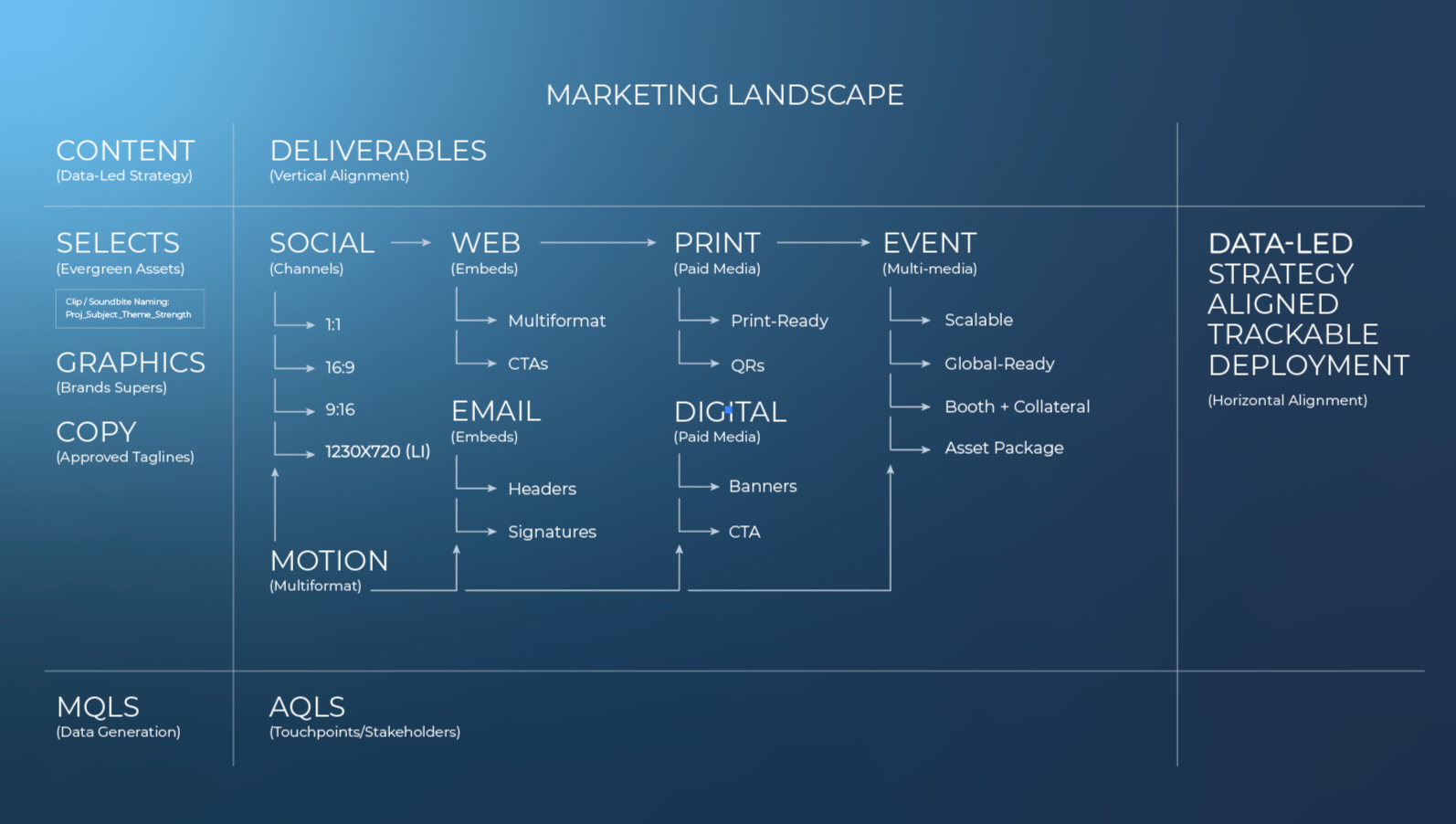
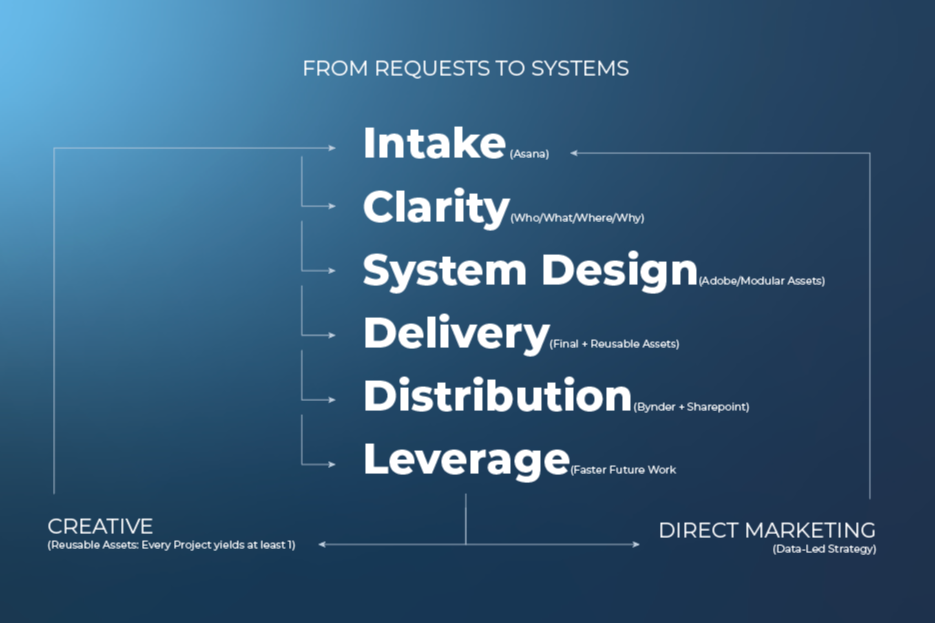
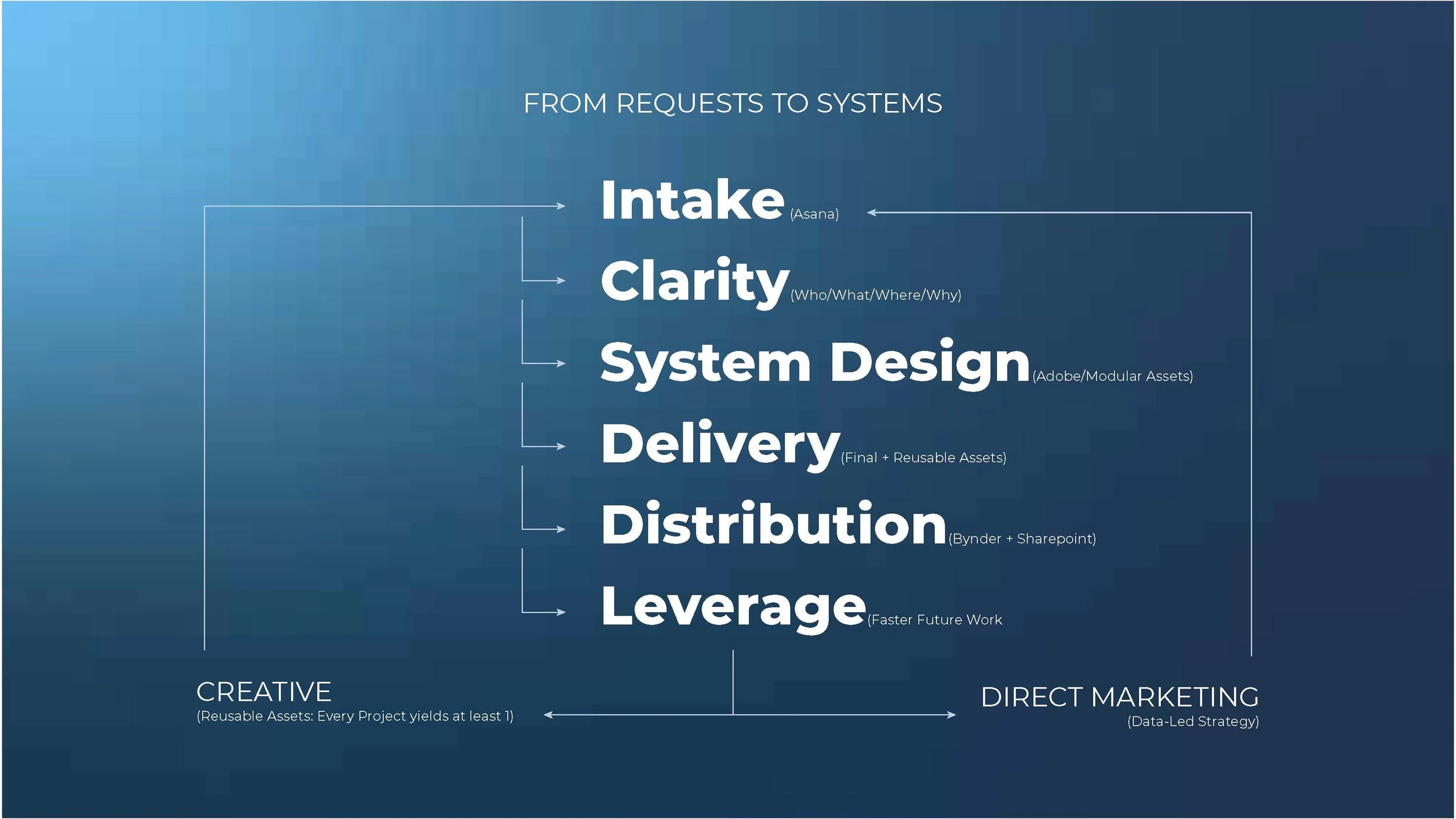
The system moved creative work through a repeatable path:
Intake → Clarity → Narrative Direction → Build Phase → Output Stack → Archive → Reuse
This allowed each project to create more than a single deliverable. It created reusable motion, content, and brand infrastructure for future campaigns.
-
FSE turned a complex support story into modular narrative directions.
SkyQuest turned testimonial footage into story buckets and reusable selects.
Event and campaign work translated brand systems into large-format screens, social content, motion graphics, and presentation assets. -
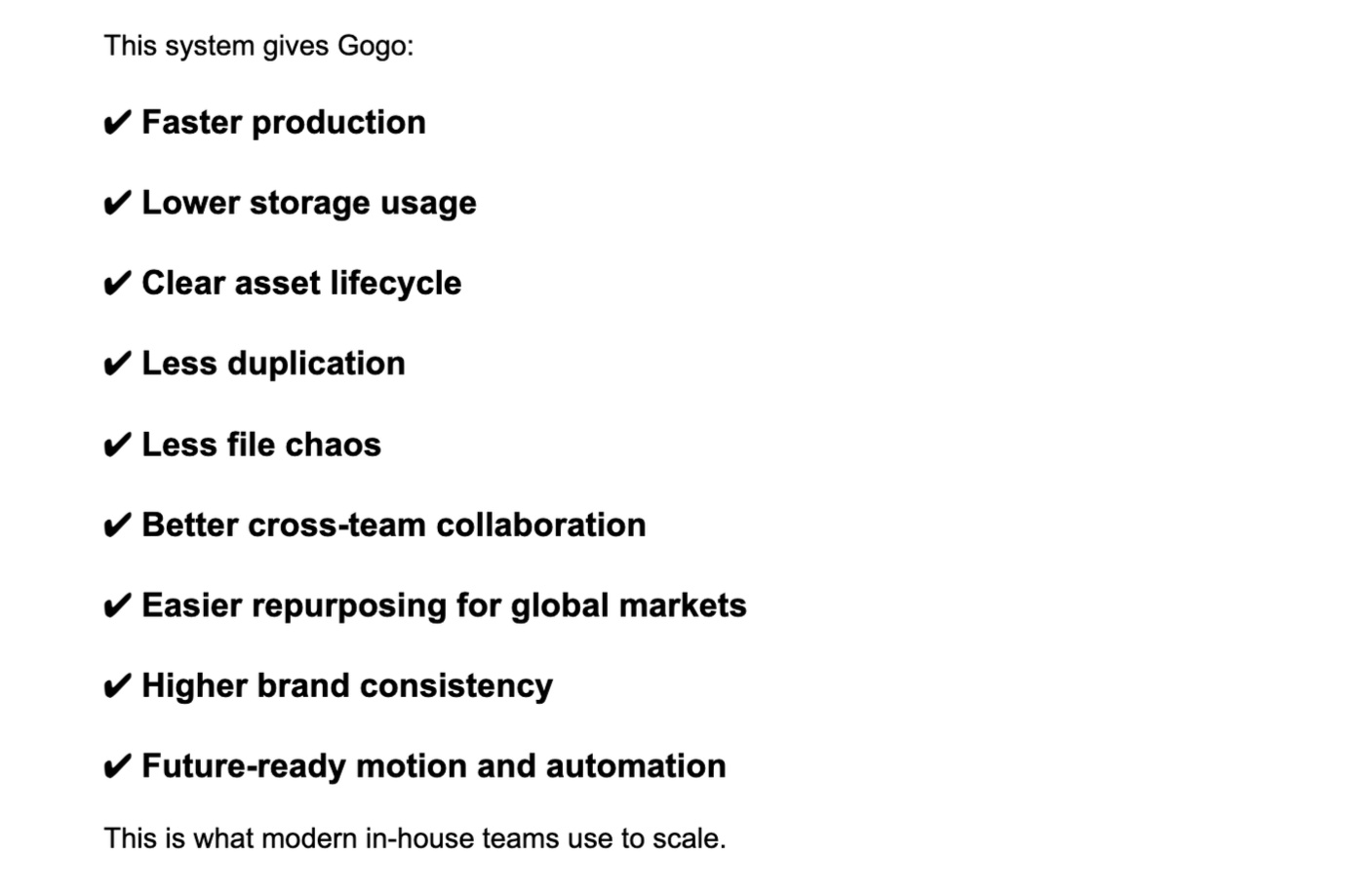
The system helped create faster alignment, stronger art direction, more reusable assets, and less creative waste.
It allowed motion and video to become part of a larger creative operating system: one that could support campaigns, events, sales, product storytelling, and long-term brand development.
Outcome:
faster alignment, stronger art direction, more reusable assets, and less creative waste.
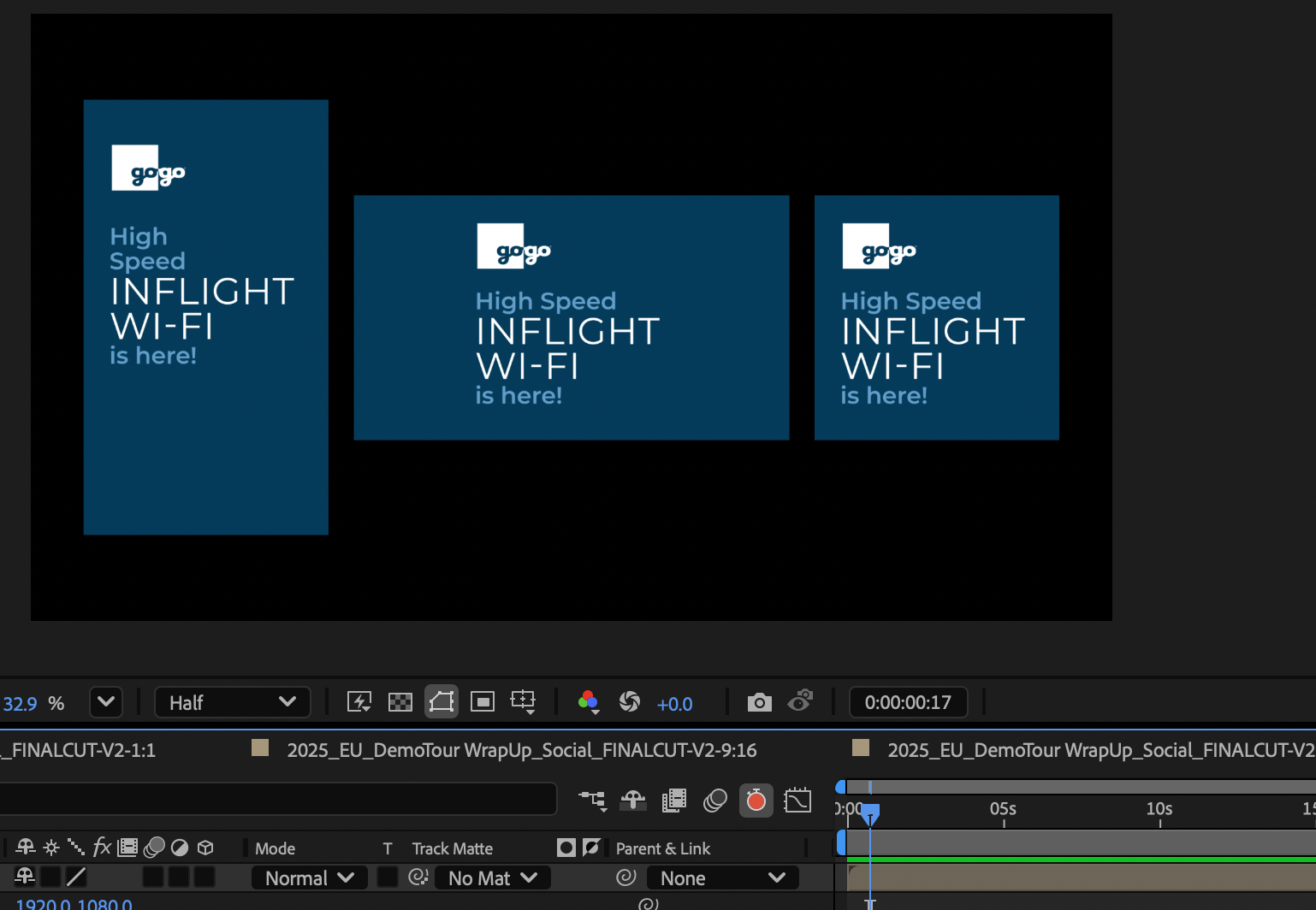
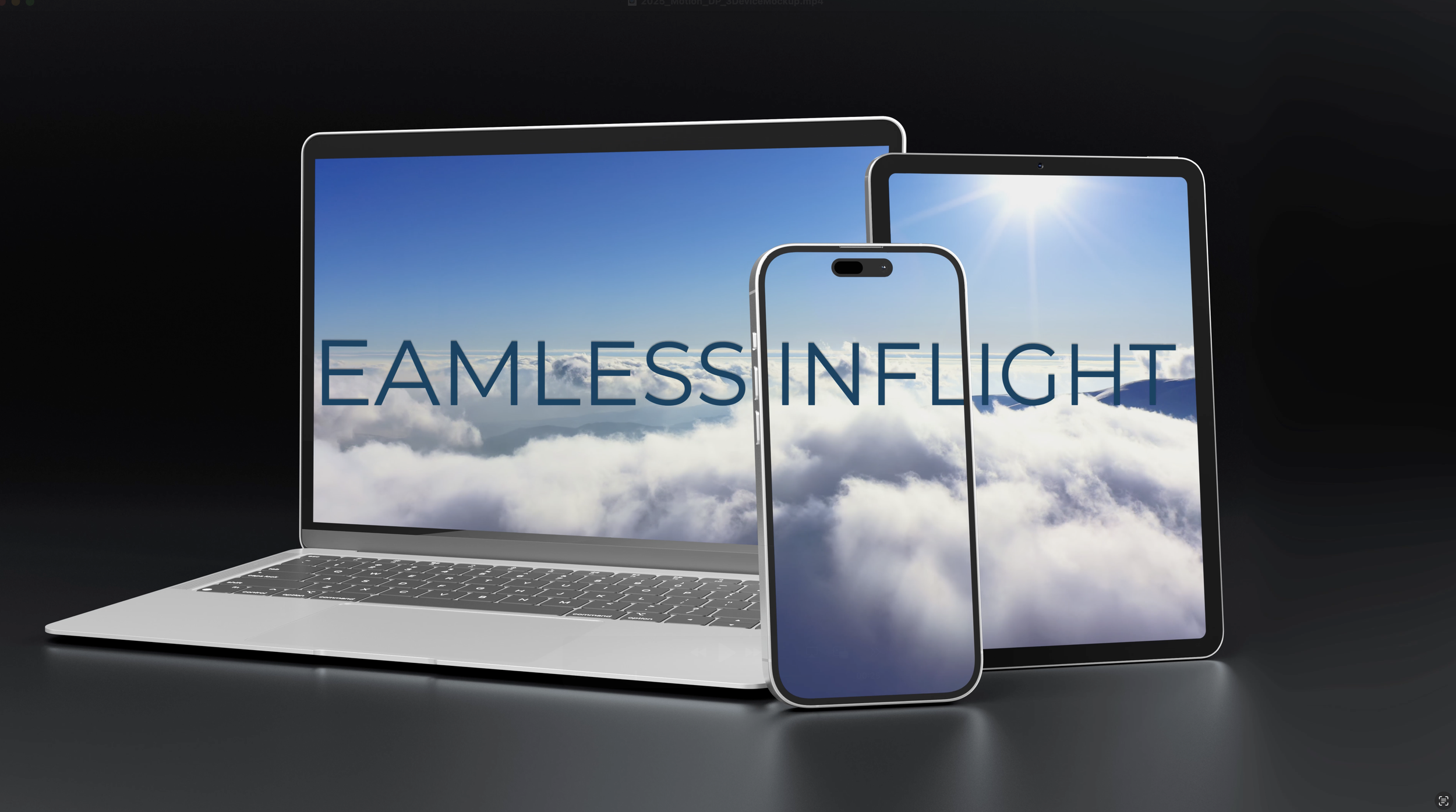
Reusable Modular Interactive Motion Graphics Template (mogrt) that is fully adjustable and adaptable for targeted campaigns as well as data-led testing.
Selected Output
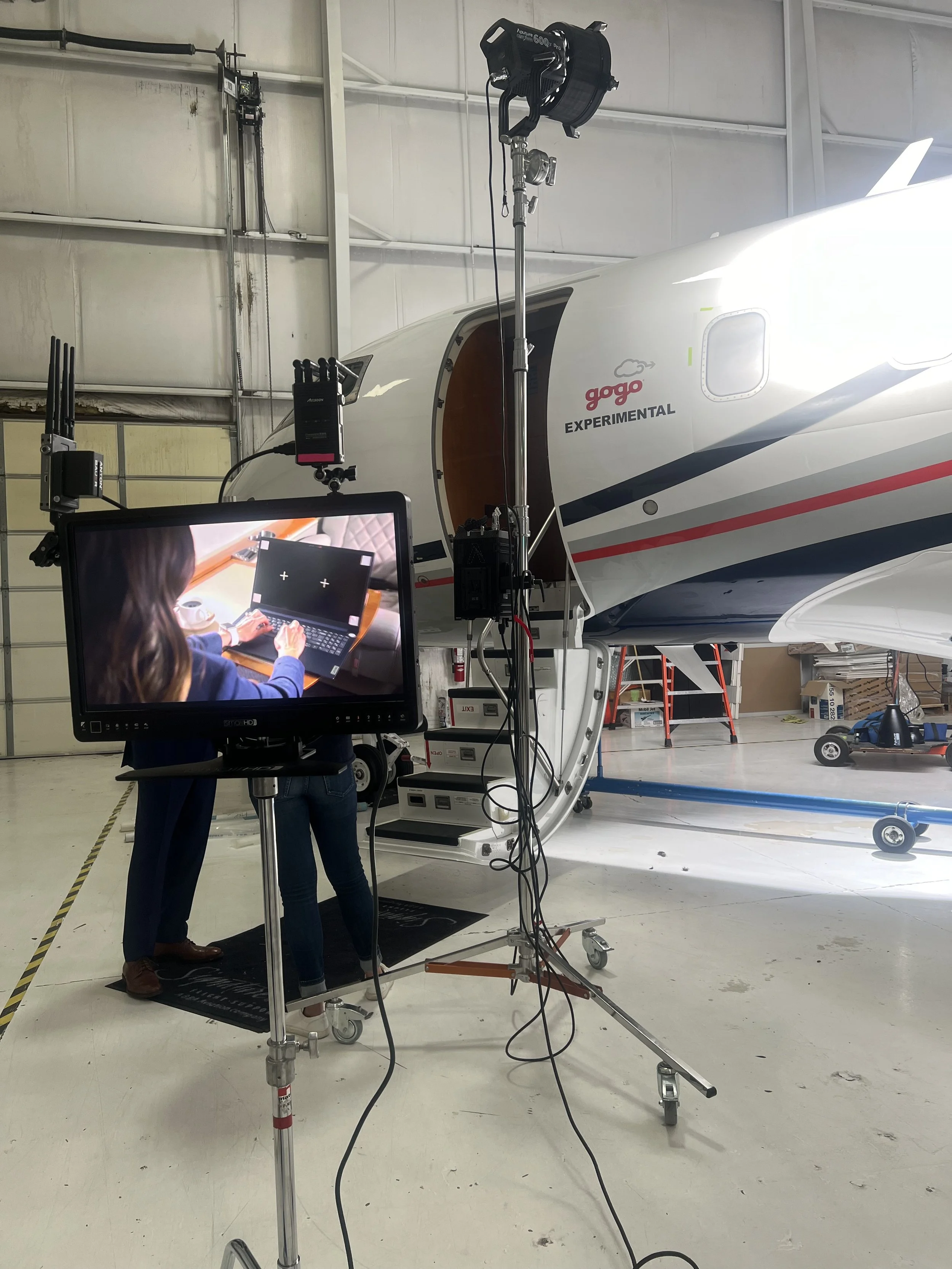
A sample of motion and video work created inside or alongside this evolving system.
Process Artifacts
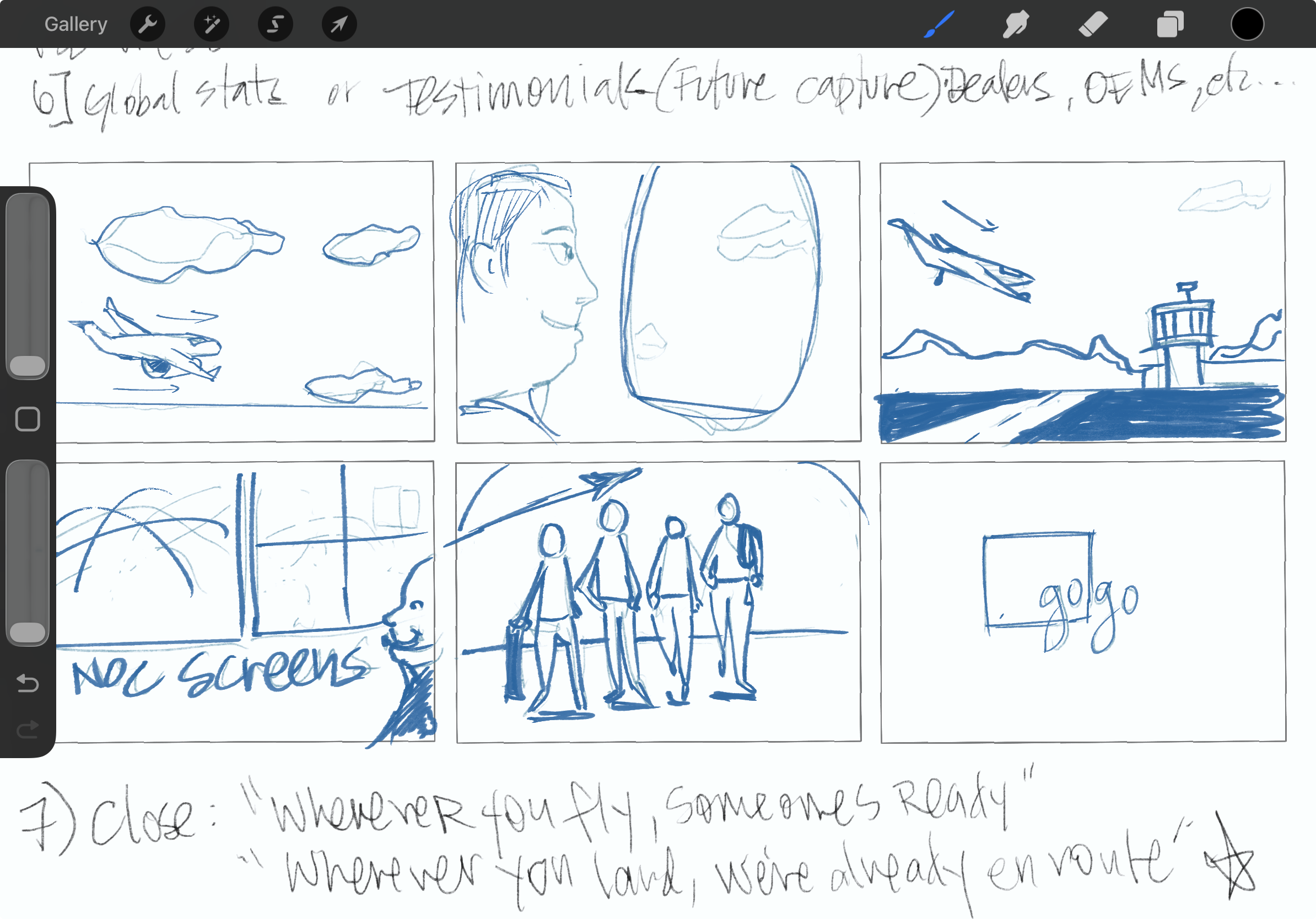
Sketches, workflow diagrams, storyboard frames, and campaign mockups showing how ideas moved from ambiguity to usable creative direction.